
Force Plate Testing
Take your rehab and performance to the next level using state-of-the-art technology.
Our force plate assessment will highlight your specific performance capabilities and areas for improvement.
ASSESS, DON’T GUESS
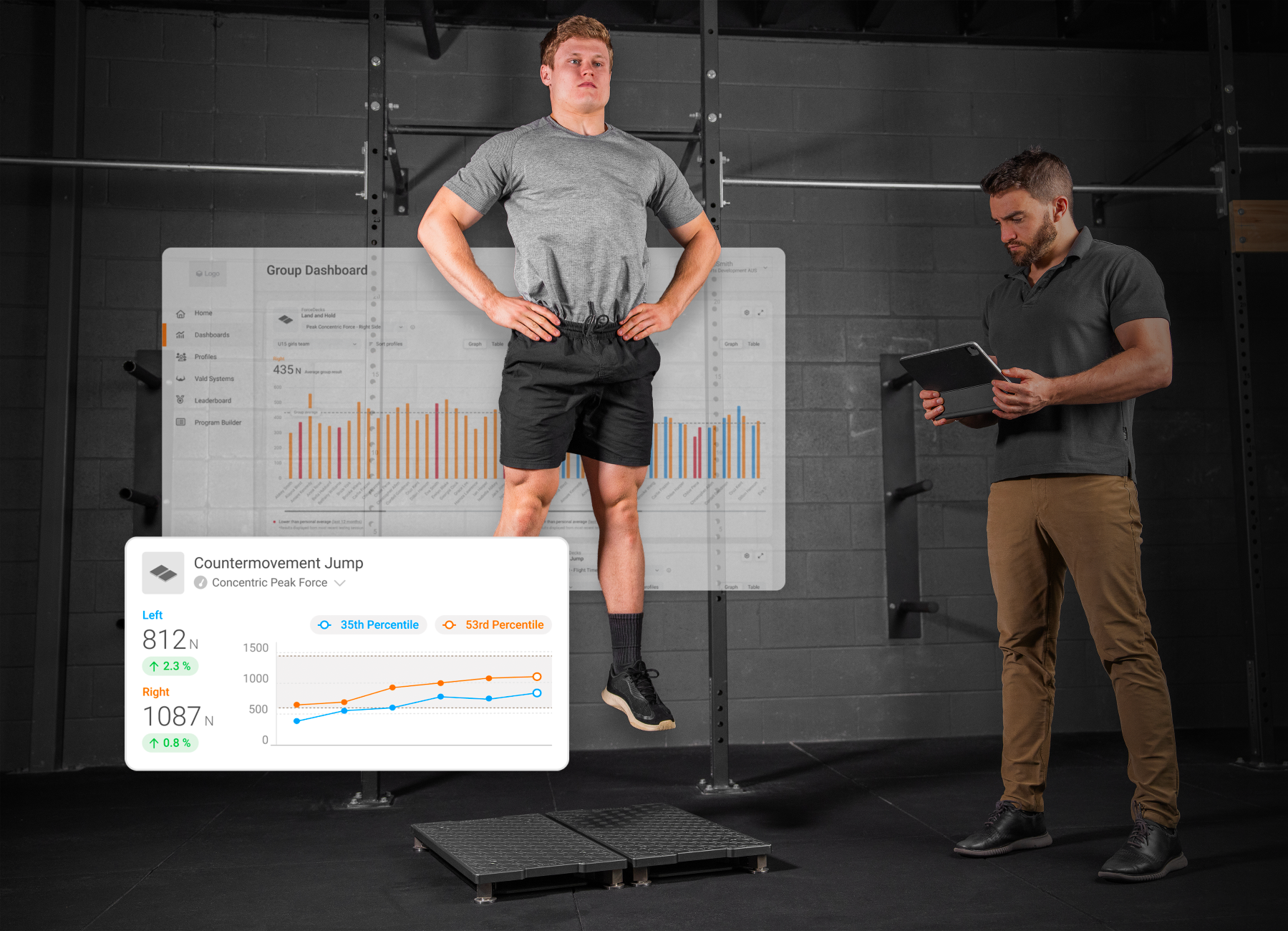
An assessment using our triaxial ForceDecks from VALD provides valuable data on your strength, speed, and power. The information gathered from force plate testing can help:
enhance your rehab
guide your training program
determine your readiness and preparedness for return to sport
elevate your sports performance
get the results you are looking for
What Are Force Plates?
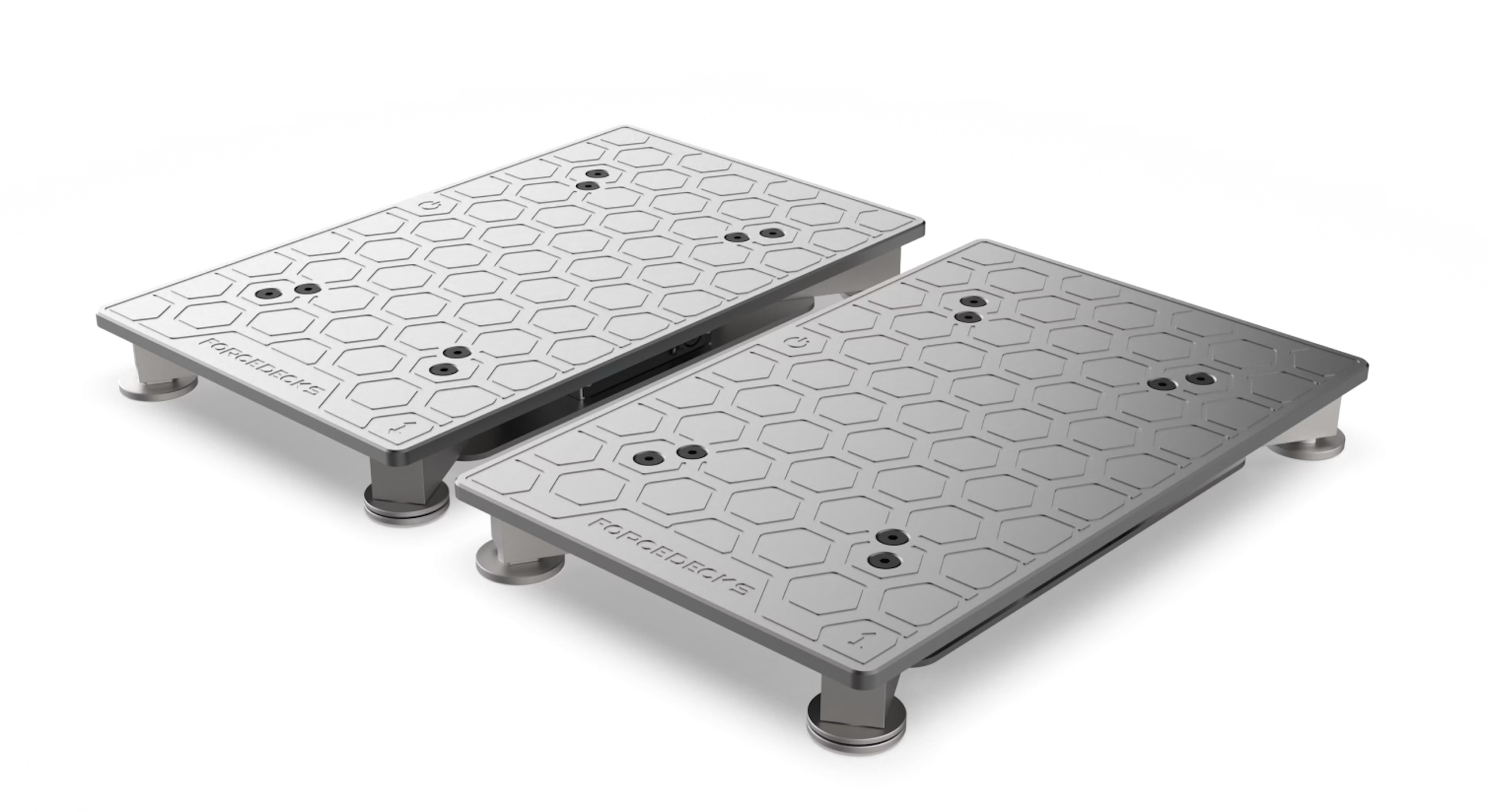
Force plates measure ground reaction forces during various movements like squatting, jumping, and landing. The plates are similar to a scale but with sensors that provide real-time measurements of many metrics such as force, velocity, power, acceleration, deceleration, and asymmetries. Essentially looking at how hard and how quickly you can generate force.
What do force plates measure?
Force plates gather more comprehensive data than can be seen by the naked eye. They measure:
Maximum Strength: your ability to exert force against an external load similar to testing a 1 rep max squat or deadlift
Power: your ability to generate forces as fast as possible AKA explosiveness
Reactive Strength: your ability to rapidly absorb and produce force, agility, stability, and balance
Asymmetries between your right and left sides
Ideally, you have a balance of max strength, power, and reactive strength. If you are lacking in one area or have any asymmetries, that can help guide your rehab or training program.
The data obtained can be compared to normative data of the same age, gender, and sport as well as compared to any pre-injury screening to determine if you have made a full recovery.
What tests are performed?
We’ll determine what tests to perform based on your goals. Some of the most common are:
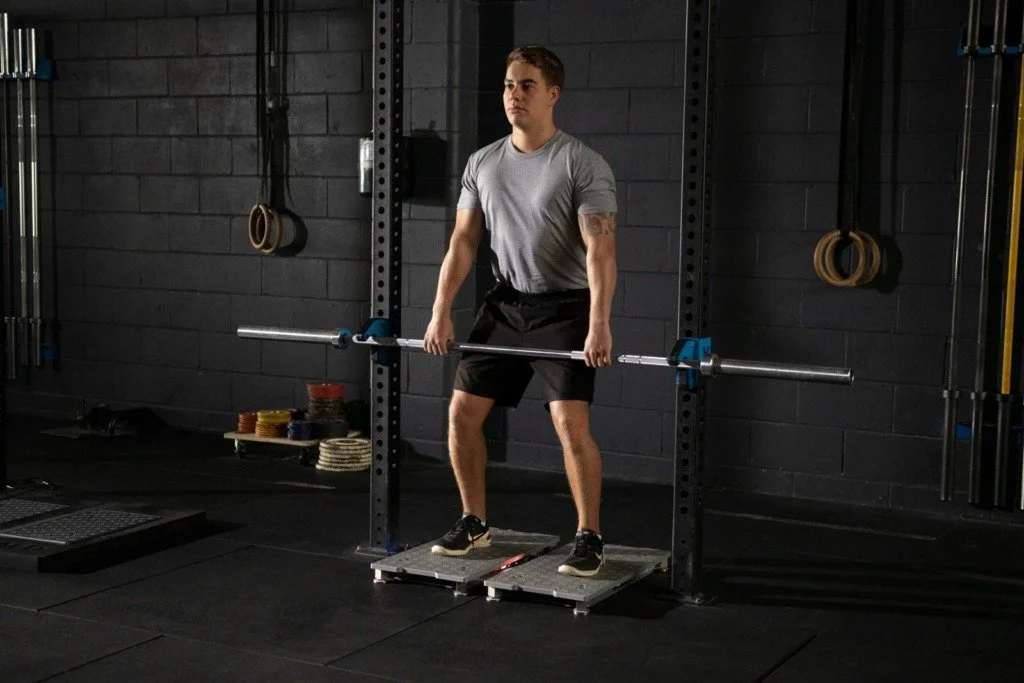
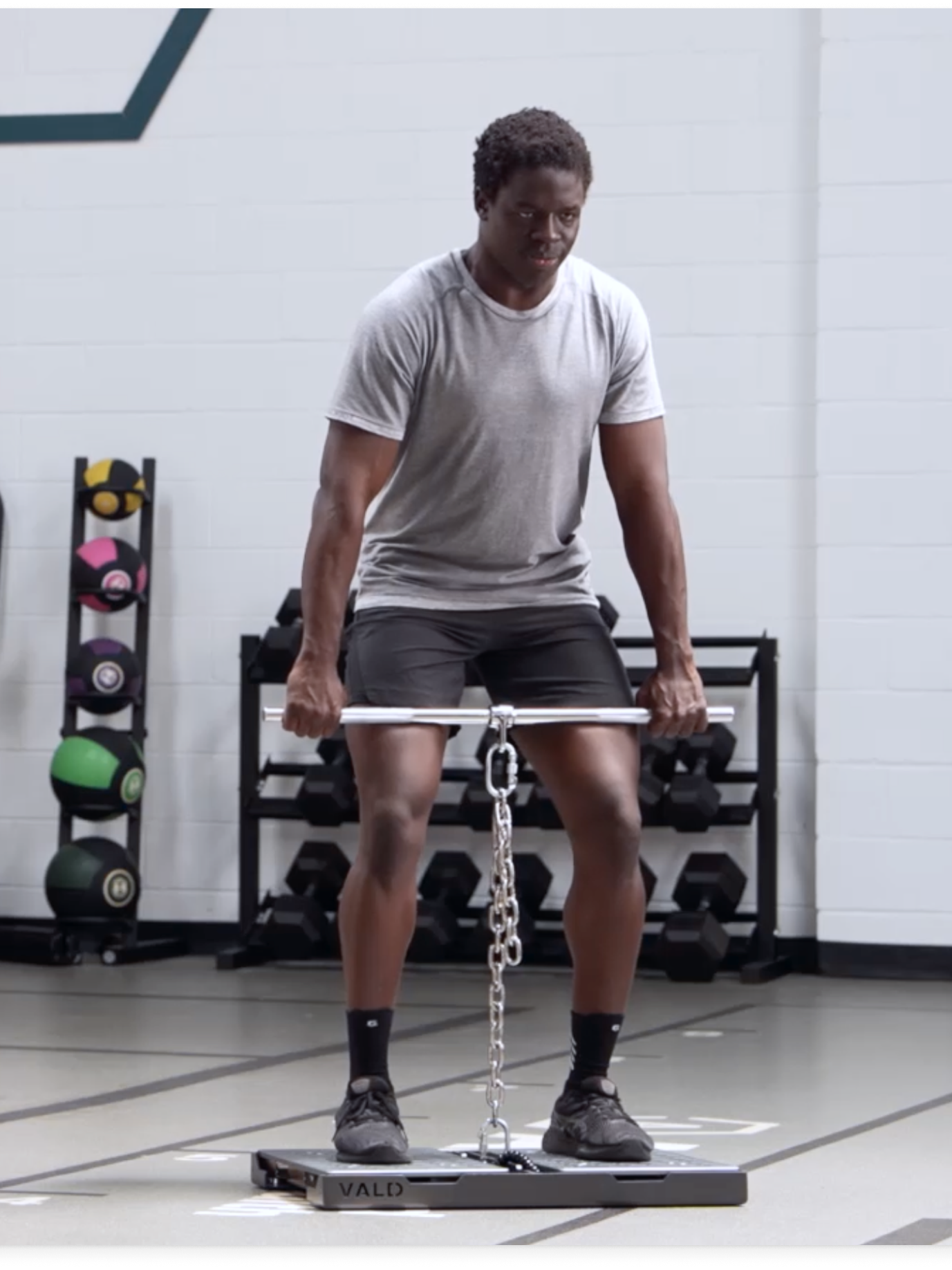
Isometric Mid-Thigh Pull (IMTP): testing max strength, testing how much force
Countermovement Jump (CMJ): testing explosive strength
Squat Jump (SJ): testing explosive strength from a static position
Repeated Hop Test: reactive ability
Single Leg Balance
Upper Body Isometrics
How does the data inform rehab, training, and programming?
Rehab
We can use the data to enhance your rehab by personalizing your exercise program to improve any weaknesses and asymmetries found that will not only progress your plan of care but also decrease future injuries. If you are currently in physical therapy, you can get force plate testing done (as long as you are cleared for impact exercise) and then the results can be shared with your PT.
Return to Sport
Testing can help determine your readiness and preparedness for return to sport. Data can be compared to peers of the same age, gender, and sport to make sure you are on track to return without the risk of re-injury.
Training & Programming
The information allows personalized recommendations and advice for your training program to elevate your sports performance. Any areas of improvement or asymmetries found can be addressed
Who can benefit from force plate testing?
Anyone looking to understand their strengths and weaknesses and use objective data to improve their health, fitness, and performance.
Injured individuals who want to find and address imbalances to guide the rehab and return to sports process to decrease the chance of future injury
Youth athletes
Athletes looking to improve sports performance, train more effectively
Older adults wanting to improve strength and balance to increase resiliency and longevity
Coaches and physical therapists to help guide your rehab and training programs based on data.
Sports teams to develop baseline testing for your athletes and determine injury risk profiles
Frequently Asked Questions
How often can I do force plate testing?
We recommend having at least 6-8 weeks between tests. Testing can be done throughout the year. If you are an athlete testing can be done during preseason and off-season. Those rehabbing an injury can start testing as soon as they are cleared for impact exercises, which can be performed throughout your rehab plan of care and return to the sports process.
What should I wear?
Wear clothing and shoes that you can comfortably move and jump in.
Can you test with an injury?
Yes, as long as you are cleared for impact activity. Force plates provide information that can guide the rehab process. Finding asymmetries and improving imbalances are extremely valuable to reduce your risk of future injury. Your assessment data can be shared with your physical therapist and coaches.